

Did you know that Metro Detroit is at the forefront of both the urban agriculture movement (and here) and the Jewish food movement? In 2000, there were about 80 farms within Detroit city limits; in 2016 the number soared to an amazing 1,400 urban farms in Detroit. Detroit’s number of black urban farmers is growing, and cooperation with Jewish organizations such as Hazon and the Isaac Agee Downtown synagogue, is on the uptick. Here is a nice reflection on this cooperation by rabbinic student and Hazon fellow Zoe McCoon.

The Jewish food movement connects food accessibility, eating, cooking and sustainable agriculture with Jewish tradition. For 3,000 years, Judaism has been encouraging us to think critically about the food we eat, the land our food comes from, and the ways our food choices affect the health of our community and our planet. Hazon organizes from the principle that the more people are able to understand their own relationship to food and land, and simultaneously, to Jewish tradition, the more they will engage in creating healthier and more sustainable communities for all. Hazon does this by building connections and relationships between farmers, entrepreneurs, farm workers, consumers, distributors, rabbis, Jewish leaders, business leaders, and other faith leaders.
On Sunday August 27th, Hazon Detroit will sponsor the 2nd Annual Michigan Jewish Food Festival.
The Festival will be at Eastern Market and will run from 11am-4pm. Carpools will be meeting at East side of Arborland Sunday at 9:45am, leaving at 10am. RSVP to Idelle hammond_sass@msn.com, or Martha marthakransdo@umic.edu.
Last year, 5,000 people came to the first Michigan Jewish food festival This year’s event will bring together over 60 Jewish organizations and more than 60 food entrepreneurs and food justice organizations to share traditions and to build relationships.
You will be able to meet and learn from chefs
- Joan Nathan
- The Gefilteria’s Liz Alpern
- Taste of Ethiopia’s Meskem Gebreyohannes
There will be speakers and demos on:
- Jewish Ethics and Eating Meat;
- Water Issues from Flint, Detroit and Southeast Michigan
- Detroit and Regional Food Policy and Food Sovereignty
- Demo tent for hands-on learning and skill sharing
- Single Flower Honey Tasting
- Making your own Herbal Teas for Health
- Oral History Story Booth (on the Topsy Turvy Bus) where immigration and food stories will be recorded by the Jewish Historical Society of Michigan and the Leonard N. Simons Jewish Community Archive.
- Plus lots of activities for kids, free guided walking tours of the Eastern Market, music, and a health area sponsored in part by Henry Ford Medical Systems.

 by Clare Kinberg

 I’ve written about Shavuot several times over the past few years. In 2015, I wrote on the culmination of the
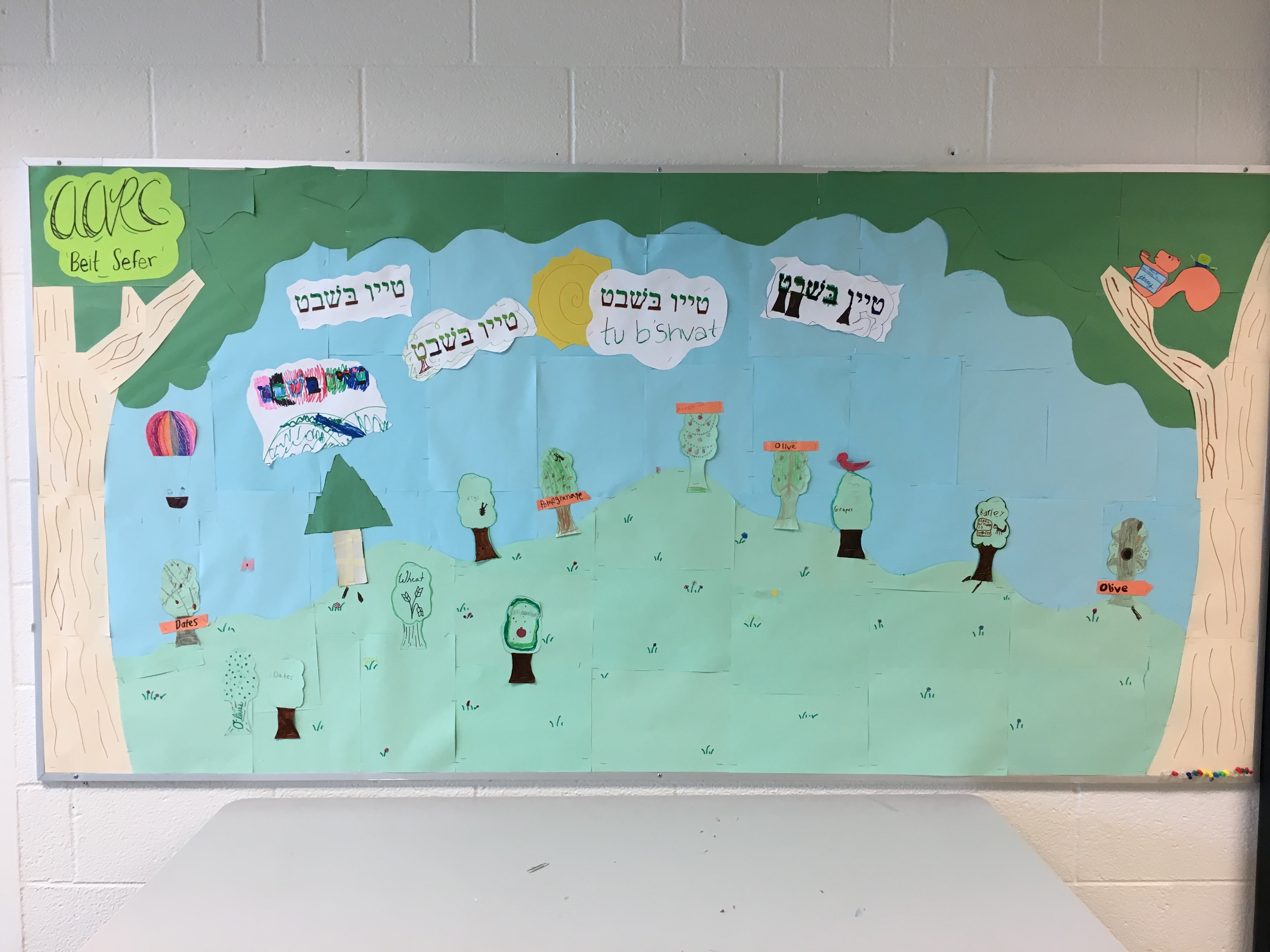
 With the spring holidays, Tu B’Shevat, Purim, Passover, and Shavuot, AARC is coming near the end of two years of our members stepping up, without rabbinical direction, to plan our community’s observances. Of course, having started as a havurah, without a rabbi, many veteran members were used to planning holidays and services. And Rabbi Alana has been an inspiring service leader over this time.
 A couple of weeks ago Jack Edelstein led our Second Saturday Shabbat morning service and discussion with such aplomb, I can’t wait till he leads again. Jack is my model of a Reconstructionist: knowledgeable in Hebrew, traditional prayer and Jewish source texts, he reads the Recon siddur/prayer book “beneath the line,” that is, during prayer, he emphasizes modern interpretations and understandings of the kavanah/intentions of the prayers. He led the discussion with respect for everyone’s input. My advice to all, next time Jack leads a service, come!
 What: AARC 3rd Night Seder
 For many Jews, Purim is synonymous with raucous celebrations; it’s a time to be festive, to indulge in sweets, and to maybe get a little shikker before the night is over. But it’s important to note that Purim is also a time for personal reflection—a time to consider our motives and deeds, and who we really are beneath the surface. The costumes we wear on Purim, whether we’re dressed up as Mordecai or Magneto, serve as a reminder of this principle.


