
For many Jews, the chanting of Torah, leyning, is something associated with becoming b’nei mitzvah. Leyning is a Yiddish word used for chanting the Torah aloud in synagogue. Some of us learned a handful of verses at 13 and chanted them nervously from the Torah scroll, never again returning to the practice. Others never had that opportunity as young people.
I fall into the latter category. My family attended an Orthodox synagogue where girls did not chant from the Torah. It simply wasn’t something I imagined I would ever do. It wasn’t until decades later, when I was in rabbinic school, that I considered the possibility of learning to leyn.
Although I did not have an adult bat mitzvah, I chanted from a Torah scroll for the first time during Yom Kippur services at Pardes Hannah in Ann Arbor, among close friends. Yom Kippur is my Hebrew birthday, so it seemed like the perfect time to begin this journey. Since then, I have not only continued to leyn Torah but have also had the joy of teaching others to do the same.
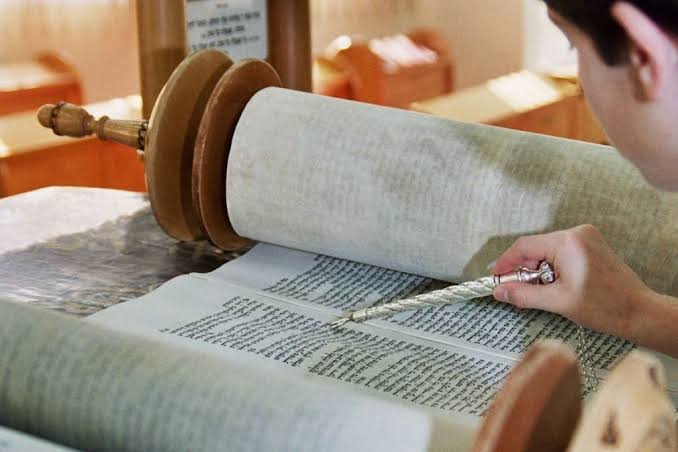
Recently, some adult members of the Ann Arbor Reconstructionist Congregation (AARC) approached me about learning to chant from the Torah scroll. Their stories vary. Some never had the opportunity. Others learned for their bar or bat mitzvah but remember the experience as stressful, something they had to accomplish out of family or community obligation. Now, as adults, they want to revisit the experience and choose it for themselves.
And so, beginning in 2027, I will be offering an adult leyning workshop through the Ann Arbor Reconstructionist Congregation. In the class, we will learn how to read Torah’s system of musical notation called ta’amei hamikra, commonly called trope. These little markings tell us how to chant the text, but they do much more than provide a melody. They help shape the syntax of each verse. They tell us where a thought begins, where it continues, where it pauses, and where it comes to rest. In that sense, leyning is not simply singing Torah. It is a form of declaiming the text, of telling a story. The reader becomes a kind of narrator, using the musical phrases to communicate the structure and meaning of the words. Learning trope can therefore become another way of studying Torah — of slowing down, paying attention, and listening more carefully to what the text is saying.
We will learn the Rosh Chodesh Torah reading, from the book of Numbers, which is chanted every month. This will give our new Torah readers regular opportunities to put what they have learned into practice and to become more comfortable reading Torah in community. You don’t have to be a professional singer to participate. You don’t need a beautiful voice. You don’t need to have learned these skills as a child. You simply need some curiosity, patience, and a willingness to try. One of the great gifts of Jewish communal life is that there are many ways we can serve and take part in our communities. Chanting Torah is one way of doing that. There is no age limit on finding your voice in Torah.
If you are interested in participating in the adult leyning workshop or would like more information, please contact info@aarecon.org.
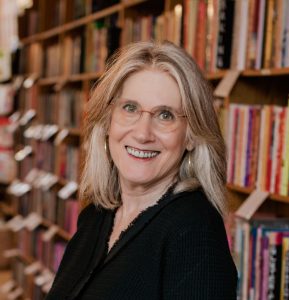
The AARC is a caring, inclusive, and music- and art-loving community of people who want to practice and study Judaism, or simply be around people who share a commitment to Judaism’s values. The AARC’s spiritual leader, Rav Gavrielle Pescador, is known for her warmth, her collaborative spirit, and her incredible voice and harp playing. You are invited to visit https://aarecon.org/ or email info@aarecon.org to learn more about the Ann Arbor Reconstructionist Congregation.
“Finding your voice in Torah: Learning to leyn as an adult” was written by Rabbi Gabrielle Pescador, and was originally published in the November 2026 Edition of Washtenaw Jewish News.

